 Yalova Basın Birliği
For now, it remains an invaluable tool for researchers seeking to untangle the complex molecular mechanisms of aging and cognitive vitality. This dual action of metabolic support and antioxidant defense positions the peptide as an intriguing candidate for future research into cellular longevity. Additionally (researchers are evaluating how the KLOW peptide assists in cellular defense mechanisms), particularly in combatting oxidative stress.
An anti-inflammatory layer is added by KPV, making the combination attractive for individuals experiencing a sensitive gut lining or persistent digestive issues. As GHK-Cu decreases naturally with aging (supplementing it through KLOW is often associated with smoother skin texture), enhanced elasticity, and a decrease in fine lines’ visibility. Often utilized for individuals healing from workout injuries (strains), or general wear on joints and tendons, KLOW is important due to the roles of BPC-157 and TB-500 in hastening repair timelines. The body’s collagen-building processes are supported by GHK-Cu, which is closely linked to skin tightness and the healing of wounds.
Critical variables such as solution stability, storage conditions, and accuracy of concentration significantly influence data quality across all peptide research scenarios. By combining KPV’s epithelial receptor activity with the formulation of KLOW, a research tool is created that can explore both luminal and neural signaling aspects within a unified experimental framework. This thematic line is related to a broader investigation into gastrointestinal peptides — including studies that have explored BPC-157’s mechanisms in gastrointestinal functions across parallel model systems. The inquiry at the systems level—how receptor biology interacts with bioenergetics in real model systems—is exactly the type of issue that multi-component formulations like KLOW can effectively help researchers explore. Furthermore, L-carnitine’s presence raises a fascinating research question regarding whether the availability of mitochondrial substrates influences energy-dependent steps of receptor-mediated signaling within the same cellular compartment. In preclinical cell models, researchers have questioned whether the activation of melanocortin receptors , through KPV, and the signaling of oxytocin receptors (via OXTR) engage either convergently or divergently with downstream effector systems.
BPC-157: Signaling for Angiogenesis in Preclinical Studies
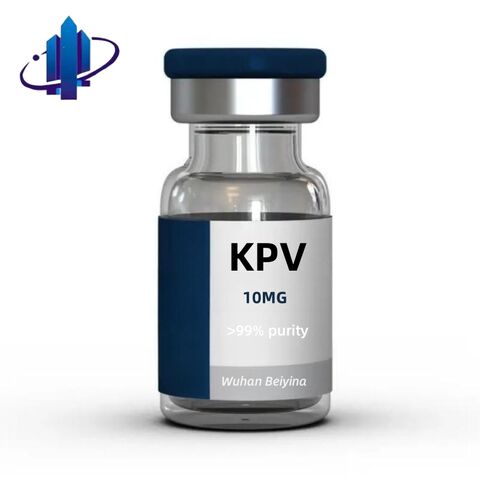
The linked studies below therefore keep the test material and the model attached. Their results can explain a scientific rationale for investigation. Not sure which size or setup fits your protocol? Non-prescription gear that pairs with this guide. Those listings are not for human consumption.
Where individual component data is strong, it supports the mechanistic rationale for including that component. Always consult a qualified healthcare details to review before buying MOTS-c professional before starting (stopping), or modifying any peptide protocol. Side effects and contraindications listed here are drawn from published studies, documented case reports, and user protocol data. The most commonly reported effects are injection site reactions, transient fatigue, and occasional flushing.
What concentration does the protocol require? Does the research question involve inflammatory pathways? In practice the decision comes down to three questions. A design centred on collagen (matrix remodelling or skin biology is well served by Glow), where GHK-Cu does most of the relevant work and KPV would be inert to the question. What can be said is which is better matched to a given research question.
Some users notice subtle improvements in sleep quality (energy), or mood, but dramatic changes are not typical this early. During the introduction phase, visible results are minimal. Managing expectations is crucial for protocol adherence. The off-period is not optional, it is part of the protocol that ensures long-term success.
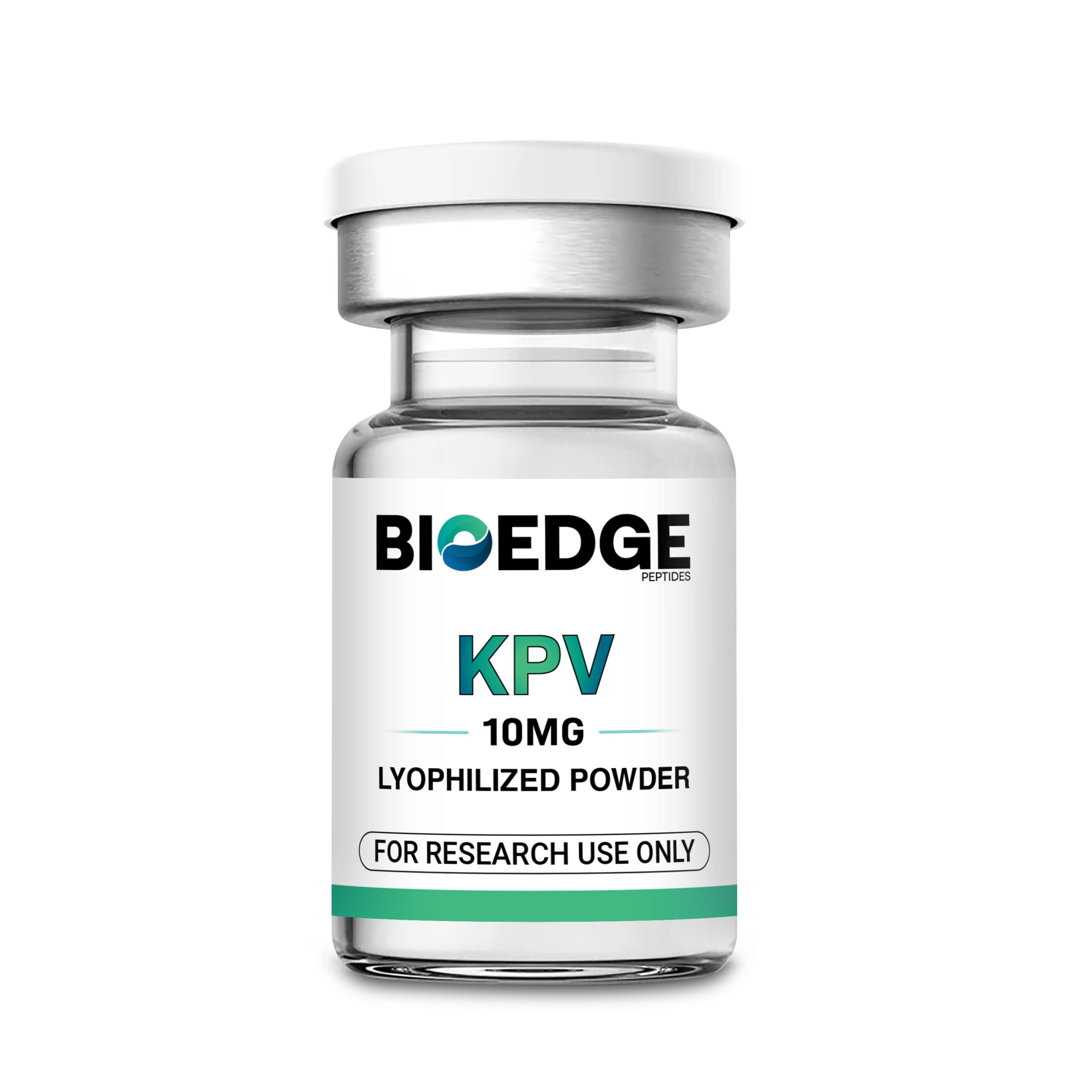
What Does the Research Actually Support?
Others experience nothing despite perfect protocols. Some athletes report complete pain resolution within 2-3 weeks. “My shoulder pain has decreased significantly, and my knee feels rejuvenated.” This isn’t uncommon. Laboratory research is essential, but what happens when real people use KLOW? For anyone dealing with inflammatory conditions — this mechanism matters. KPV • Anti-inflammatory • Gut protection • IBD support • Respiratory health • Skin conditions • Immune modulation NFκB pathway inhibition Animal studies, limited human data
Timeline: Anticipated Outcomes
By sequestering free G-actin monomers, TB-500 controls the equilibrium between filamentous and monomeric actin, keeping a ready pool of structural building material available for rapid reorganization of the cell’s internal skeleton. None of the four mechanisms is redundant with the others, which is the core rationale for the blend architecture. This guide covers what each component does (how they work together), what the evidence shows for each, dosing context, safety considerations, and KLOW’s current regulatory status. A four-component mixture requires controls for each component — and no indexed literature characterises how these four behave in combination. Once reconstituted — refrigerated storage between 2°C and 8°C is standard practice and the solution is treated as short-lived. Lyophilised material is held frozen at approximately -20°C, sealed and protected from light, because hydrolysis and oxidation both accelerate with heat, moisture and light.
Your personal data will be used to support your experience throughout this website, to manage access to your account, and for other purposes described in our privacy policy. The products mentioned are intended for laboratory and research use only and are not for human consumption. For investigators exploring the full range of research-grade peptide formulations — the complete SourcePeptides catalog provides access to the broadest selection of laboratory reference materials. Researchers interested in KPV’s parent peptide context may also find the oxytocin research material useful as a standalone comparator for isolating OXTR-specific contributions to observed multi-component effects. For investigators studying the full KLOW-GLOW landscape — the GLOW nasal spray formulation provides a useful mechanistic counterpoint for experimental comparison. Researchers building a comprehensive peptide research library will find KLOW most productively positioned alongside comparative materials.
